
Planning · Published February 3, 2026 · Updated July 18, 2026
The path is a second set of measurements.
A piece that fits the wall can still stop at a door, a landing, or an elevator. Walk the route with a tape before the carton is in the lobby.
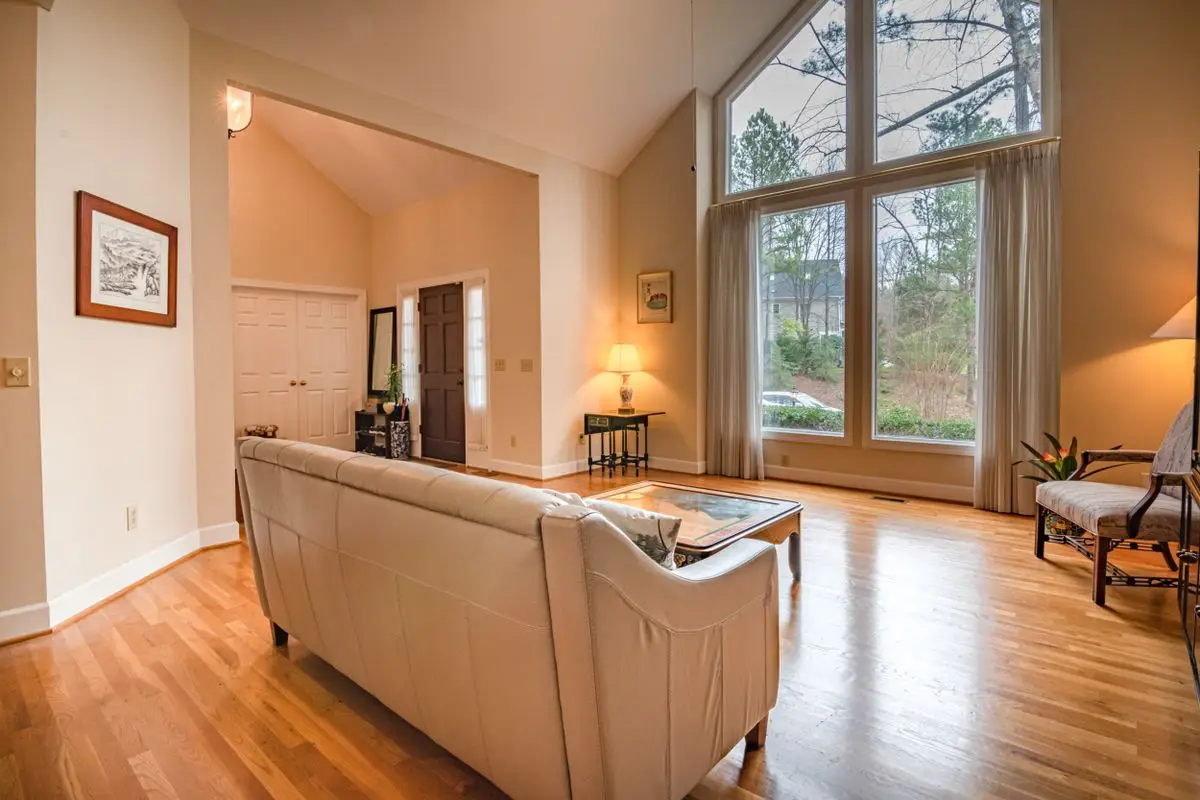
Fig. 02 — The opening looks generous until a cased jamb, a closer, or a turn reduces it.
Start with two descriptions of the same object. Packed size is the carton or the piece as it will be carried. Assembled size is the piece as it will stand. Legs, backs, shelves, and doors sometimes come off. Sometimes they do not, and forcing a joint the instructions do not mention is how frames crack. Read that page of the instructions before you plan a pivot that depends on a removable part.
Then walk from the curb or the elevator to the final wall. Measure every opening on that walk, not only the prettiest one. The narrowest clear width and the lowest clear height control the trip.
01
Doorways
Measure clear width with the door open as far as it goes, from the inside of one jamb to the other, ignoring the casing. If the door slab sticks into the opening, measure to the slab. Height is finished floor to the underside of the head. A 30-inch nominal door is often closer to 29 inches of clear width once the stop is in place. Write the number you measured, not the number the builder called the door.
A tall piece may need to tilt. Tilting needs both width and height, and it needs a person on each end who can hold the tilt without using the wall as a brake. If the tilt would put a corner into a chandelier, a smoke detector, or a sprinkler, the opening is not actually clear.
02
Turns and landings
A hallway that is wide enough in a straight line can still fail at a 90-degree turn. The landing has to hold the length of the piece while it rotates. A useful check is to mark the piece’s length and depth on the floor with tape, outside the building or in a clear garage, and then compare that rectangle with the landing you measured. Tape on a rental floor should be a low-residue painter’s tape, and it should come up the same day. See protecting surfaces before you stick anything to a finish.
03
Stairs
Measure the stair width at the narrowest point, including the handrail if it projects. Measure the ceiling height above the nosing, especially at the turn. A sofa that pivots on a landing needs the landing depth plus the overhead clearance for the raised end. Rail brackets and a window at the turn are common stops. If the piece cannot be shortened by removing a part the instructions allow, and the stair will not take it, the remaining choices are a different route or a different piece. This page cannot know which your building has.
04
Elevators
Cab size is the interior, not the door. Measure the door opening and the cab depth, width, and height. A piece can enter on the diagonal and still be too long to let the door close, which matters if the car has to move. Some buildings schedule moves, require floor protection, or limit hours. Those rules belong to the building. The rental guide lists the questions to ask the manager. evsalaryevee does not reserve elevators and does not issue insurance certificates.
An example, not a promise that your sofa fits
Numbers above are a teaching case. Measure your openings. The measuring guide is the companion worksheet.

Cartons have their own dimensions. A long flat box can be harder than the finished piece.
Before anyone lifts
Clear the path of rugs, plants, and doorstops you can remove without tools. Pad corners you cannot move, using the notes in protecting surfaces. Agree which person calls the stop. A piece that starts to bind should come back out, not be driven through the jamb.
If the carton is the thing that will not turn, and the instructions say the piece can be assembled in the destination room, assembling there is sometimes the simpler path. That choice needs floor space and the assembly sequence. It is not available for a fully built sofa.
Weight is a separate limit. A path that is wide enough can still be a poor idea for two people and a piece the carton marks as a team lift. This site does not set a weight limit for you. The label on the carton and your own stopping point do.
What to write on the path sheet
A path sheet is a list, not a paragraph. One line per opening: location, clear width, clear height, and anything that sticks into the opening. Then one line per turn: landing depth, hallway width on both legs of the turn, and the ceiling height at the corner. Elevators get four numbers: door width, door height, cab depth, and cab width. If a handrail, a closer, or a light fixture changes one of those numbers, write the smaller one and name the obstruction.
Add a line for parts the instructions allow you to remove: legs, feet, a back, a door, a mirror. Next to each part, note whether removing it changes the dimension that is failing. A leg that comes off may drop the height enough for a soffit and do nothing for a door that is too narrow. Do not remove a part the instructions do not mention. A glued joint is not a “removable” part because a knife can reach it.
If two routes exist — a front stair and a service elevator, or a balcony door and an interior hall — measure both before you choose. The shorter walk is not automatically the wider opening. Buildings sometimes require the service route and floor protection even when the passenger elevator looks large enough. Those rules are the building’s. The rental guide lists questions to ask. It does not reserve the elevator.